Build A Family Wellness Rhythm That Honors Your Culture and Supports Heart Health!
Holistic Health for Women of Color Podcast, Episode #115
Creating a healthier lifestyle for yourself and your family should not mean letting go of the foods, traditions, and values that shaped you. A family wellness rhythm that honors your culture is not about perfection, pressure, or following someone else’s rigid plan.
It is about building simple, realistic habits around food, movement, sleep, stress, and connection in a way that supports heart health and fits real life.
At Holistic BP Health, I help women of color create sustainable wellness routines that feel nourishing, culturally grounded, and doable, especially in seasons when life feels full and food costs are rising.
Whether you are caring for your blood pressure, trying to make healthier meals for your household, or looking for ways to feel more balanced without burnout, you do not have to choose between your health and your culture.
Eating Well For Less A Free 5-Day Email Series
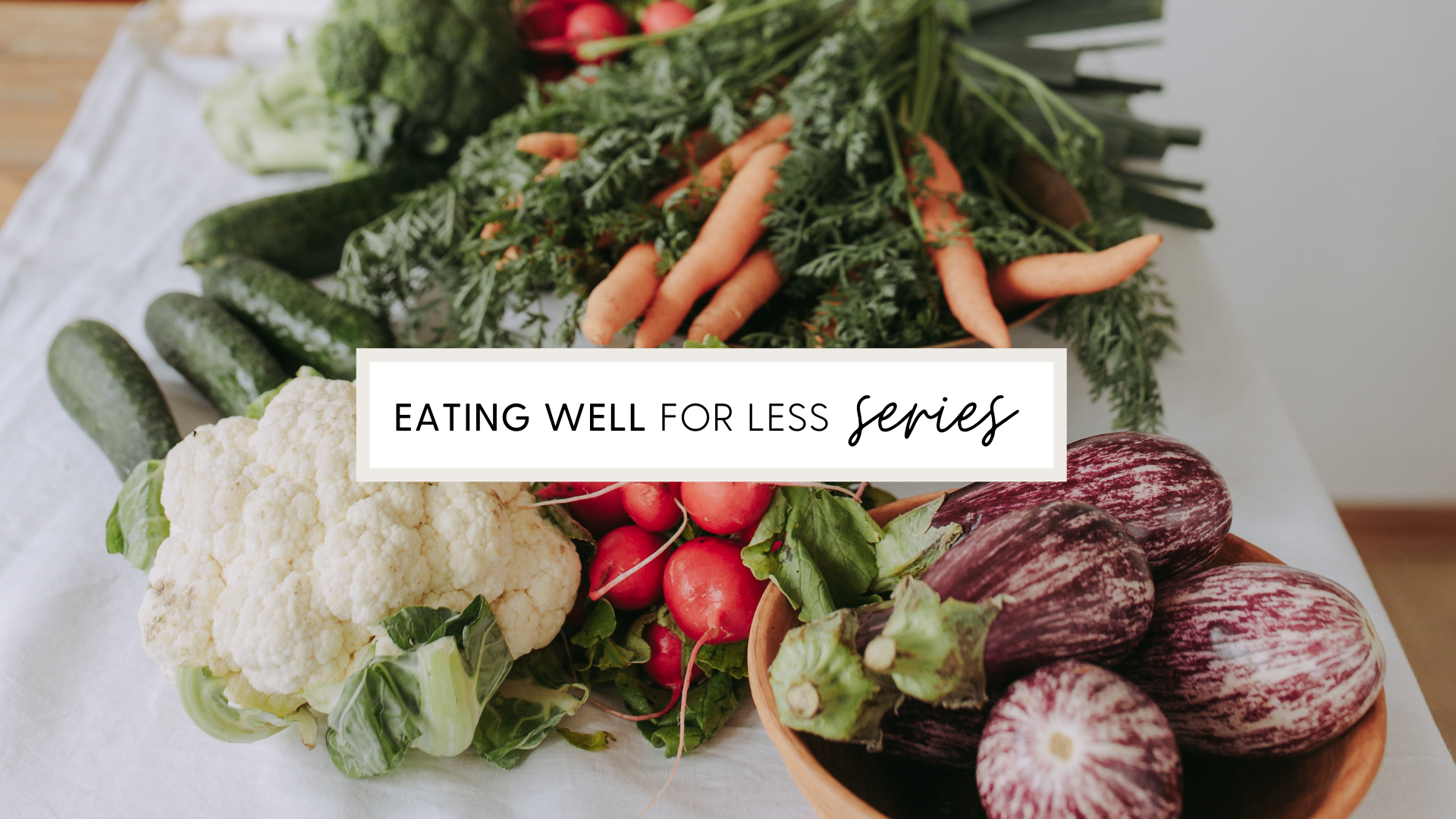
If you are ready for practical support, I invite you to join my free Eating Well For Less: Free 5-Day Email Series. You'll learn simple, budget-friendly strategies to eat heart-healthy, whole foods without spending a fortune and without abandoning your culture.
This free series covers meal planning, low-cost produce, batch cooking, freezer-friendly meals, and smart shopping tools to help you feed yourself and your family well in a way that feels both sustainable and empowering.
Subscribe To The Episodes
Apple Listen on Apple Podcasts Spotify Listen on Spotify YouTube ChannelHolistic Health for Women of Color Podcast Core Value Empowerment
Welcome to Holistic Health for Women of Color Podcast, the podcast where we talk about heart health, blood pressure, and whole-body wellness in a way that honors your culture, your story, and your real life.
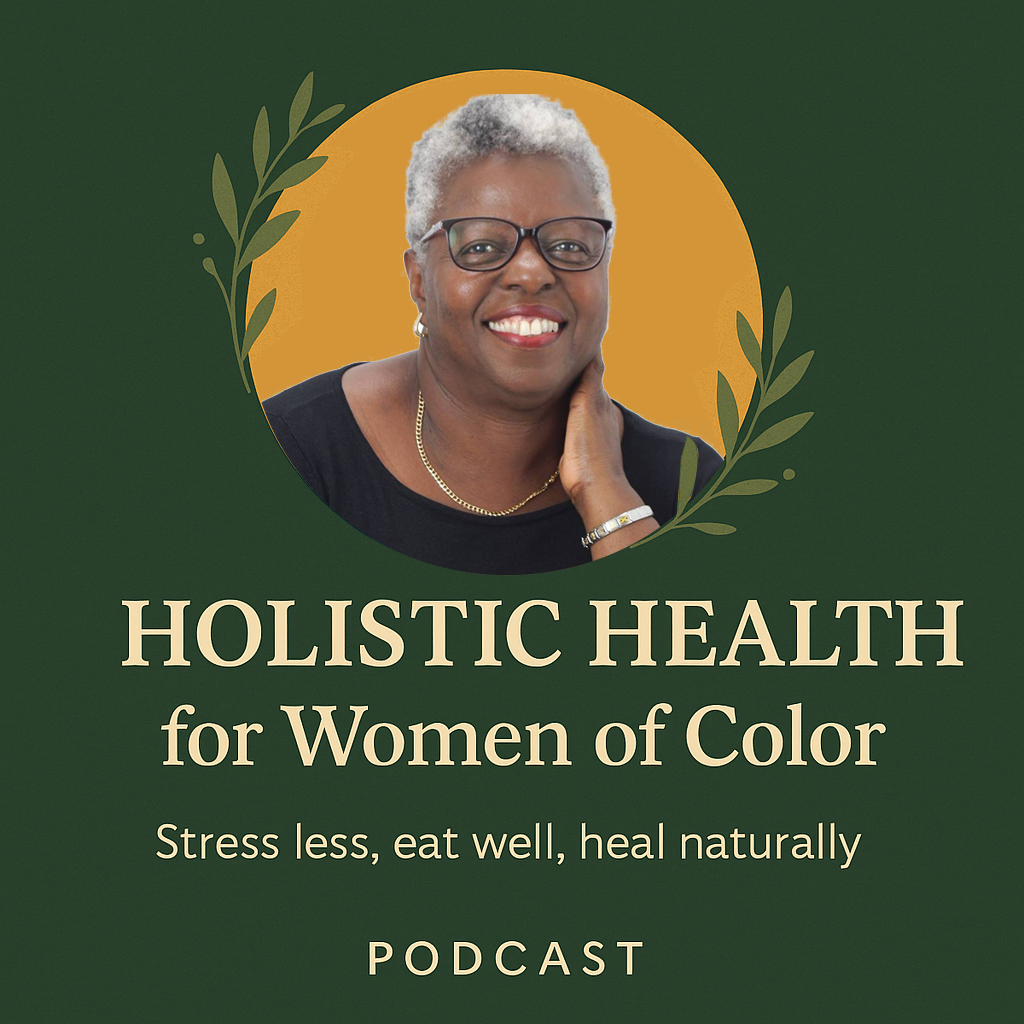
I’m Donna Williams, certified holistic health coach and founder of holisticbphealth.com, and I am here to help you care for your health with more clarity, more compassion, and no shame.
Today, we are talking about how to create a family wellness rhythm that honors your culture and real life.
How To Create a Family Wellness Rhythm That Honors Your Culture and Real Life Podcast, Episode #115 Transcript!
What if getting your family healthier did not mean cooking separate meals, forcing habits nobody wants, or giving up the foods and traditions that make your culture feel like home?
So many women are carrying a lot right now. You are thinking about your family’s health...your own blood pressure...your stress...your energy...and at the same time, the cost of living keeps rising.

And when you are the one trying to hold everything together, wellness can start to feel like one more burden.
But here is the good news; it does not have to be that way. Creating better health at home does not have to begin with restriction. It can begin with rhythm. Simple, realistic, culturally rooted habits that help your family feel better, without making life harder.
If you have ever tried to get your household to eat better, move more, sleep more consistently, or just settle into healthier habits... and felt like you were the only one carrying the vision... you are not alone.
One person wants convenience. Another wants familiar comfort foods. Someone else does not want to change anything at all.
And meanwhile, you are trying to support everyone’s health without creating more stress, more conflict, or more work for yourself. The truth is that family wellness rhythm that honors your culture usually do not fail because people do not care. They fail because the changes feel too sudden... too restrictive... too expensive... or too disconnected from everyday life.
And for many women of color, there is another layer to this conversation. Food is not just fuel. Food is memory. It is identity. It is celebration. It is comfort. It is history. It is culture.
So, when wellness is presented in a way that feels like giving up the meals, flavors, and traditions you grew up with, of course people resist.
People do not want health if it feels like loss. They want health that still feels like home.
That is why today’s conversation is not about perfection. It is about building a few steady rhythms around food, movement, sleep, and stress that make life feel calmer, easier, and more nourishing for everybody in the home.
So, let’s get into it.
Building a Family Wellness Rhythm that Honors Your Culture and Supports Heart Health
- Start with the friction point everyone already feels:
Instead of beginning with the habit that sounds healthiest on paper, begin with the problem your family already feels.
- Maybe your mornings are chaotic.
- Maybe dinner turns into a nightly debate.
- Maybe everyone crashes in the afternoon and reaches for sugar.
- Maybe weekends throw off the whole week.
- Maybe late-night snacking and screen time are affecting sleep.
- Focus on rhythm, not perfection.
Most families do better with a few simple anchors than with a long list of rules.
An anchor might sound like:
- we eat something with protein in the morning…
- we sit down for dinner at a regular time…
- we do a quick kitchen reset after dinner…
- or screens go off by a certain hour.
- Make the nourishing choice the easy choice.
Let’s be honest, in most homes, convenience wins. Not because people are lazy, but because they are tired, stretched, and making decisions all day long.
So instead of relying on willpower, make the healthier option the easiest thing to reach for.

- That could look like keeping washed fruit in sight…
- boiled eggs ready in the fridge…
- cut vegetables and dip prepared…
- yogurt, cheese sticks, nuts, or leftovers portioned and easy to grab.
- Build a short meal rotation your family recognizes.
One of the easiest ways to reduce stress around meals is to reduce surprise.
A meal rotation does not mean eating the same thing all the time. It just means having a reliable list of meals your family knows, expects, and usually accepts.
Maybe that looks like:
- two one-pot meals…
- two sheet-pan dinners…
- two slow cooker meals…
- two breakfast-for-dinner options…
- and two low-energy backup meals.
- Use a “yes, and” approach with family preferences.
This one can change the whole tone in your kitchen. If someone wants mac and cheese, pizza, rice and stew, patties, dumplings, fried plantain, or another comfort food, it does not have to become a fight about whether that food is “good” or “bad.”
Instead, try this question:
- Yes... and what can we add?
- Yes, and let’s add grilled chicken or baked fish.
- Yes, and let’s add cabbage, salad, or another vegetable.
- Yes, and let’s add fruit.
- Yes, and let’s add beans or another source of fiber.
- Make movement feel natural, not like punishment.
A lot of families resist exercise when it feels like correction, criticism or punishment. Movement works better when it feels like part of everyday life.

- That might mean a short walk after dinner…
- dancing while cleaning…
- stretching during television commercials…
- a park stop after errands…
- or a family bike ride on the weekend.
- Protect sleep and meal timing first.
If you focus on only two rhythms in the household, let them be sleep rhythm and meal rhythm. When sleep is off, appetite often gets louder, cravings get stronger, and patience gets shorter.
When meals are skipped or pushed too late, energy drops, moods shift, and the whole house can feel more reactive.
So support these rhythms in simple ways:
- plan an afternoon snack…
- set a realistic dinner window…
- create a gentle kitchen close in the evening…
- and begin bedtime routines earlier than you think you need to.


Eating Well for Less a Free 5-Day Email Series
And because we cannot talk about family wellness without talking about food costs right now, I want to pause and share a free resource with you that I believe is especially important in this season.
If you are trying to feed yourself and your family in a way that supports heart health, respects your budget, and still honors your culture, I want to invite you to join my free 5-day email challenge called Eating Well For Less.
This series is designed to help you learn practical, budget-friendly ways to eat heart-healthy, whole foods without spending a fortune, and without abandoning the cultural foods you love.

Here is what we cover:
Day 1: Planning your meals without making it complicated.
Day 2: Low-cost produce — smart ways to buy fresh, frozen, and canned.
Day 3: Batch cooking — cook once, eat well for days.
Day 4: Freezer stash — quick, healthy meals for busy nights.
Day 5: App toolkit — tools to help you shop smarter and stay organized.
And when you sign up, you will also get:
- a downloadable heart-healthy grocery shopping list,
- a long-lasting produce list printable PDF,
- and an exclusive Eating for Less workbook PDF that is yours to keep.
With the cost of living increasing so drastically, this is more than helpful, it is necessary. Healthy eating should not feel out of reach. And it should not require you to disconnect from your roots.
You can join us here and get started right now!
I really encourage you to take advantage of it.
Getting Your Family on Board with a Wellness Rhythm that Actually Works
Family wellness works best when it feels like support, not pressure. It is not about forcing everybody into a strict routine. It is not about perfection. And it is definitely not about making your home feel like a health boot camp.
It is about creating a rhythm that reduces stress, makes nourishing choices easier, and honors the people, traditions, and realities that shape your life.
So, I want you to start small. Keep it simple. Let the rhythm earn trust over time.
Because the most lasting changes often begin with what feels possible, familiar, and loving.
If this episode on How to Create a Family Wellness Rhythm That Honors Your Culture and Real Life encouraged you, visit me at holisticbphealth.com. And do not forget to sign up for the free Eating Well For Less 5-day email series.
Thank you for spending this time with me today at Holistic Health for Women of color Podcast. Until next time, take care of your heart, honor your body, and hold space for your healing.

Newsletter Opt-In And Thank You Gift
Latest Podcast Episode
Listen to the most recent episode of my Holistic Health for Women of Color Podcast
Recent Articles


-
Introducing The Weekly Stress Edit - Embrace A New Era
Sep 15, 26 09:26 PM
 Introducing The Weekly Stress Edit! Download our free PDF to manage stress effectively and embark on a journey to a more balanced and healthy life.
 -
Transform Stress into Serenity at The Stress Solution Workshop!
Sep 14, 26 10:58 PM
 Transform stress into serenity, embracing tranquility in your daily life. Rediscover balance and peace at our empowering, life-changing workshop.
 -
The 30-Day Calm and Pressure Reset for Midlife Women of Color 40+
Sep 11, 26 12:29 AM
 A 30-day calm and pressure reset for midlife Women of Color 40+ daily rhythm, food support, and emotional release for real life. Feel steady again.