Are You Feeding Yourself, or Nourishing Yourself? A Holistic Health Conversation for Women of Color!
Holistic Health for Women of Color Podcast, Episode #118
Have you ever eaten all day and still felt like something was missing? This holistic health conversation for women of color explores the difference between nutrition and nourishment, and why healthy eating can still feel empty when food does not support the whole person.
We’re talking about heart-healthy eating, cultural connection, emotional wellness, and how to nourish your body without abandoning your roots, your flavor, or yourself.
Subscribe To The Podcast Distributor of Your Choice
Apple Listen on Apple Podcasts Spotify Listen on Spotify YouTube ChannelHolistic Health for Women of Color Podcast Mission is to Empower Black Women
Welcome back to Holistic Health for Women of Color Podcast, where we talk about wellness in a way that feels real, supportive, and connected to our lived experience. This is a space where health is not separated from culture, stress, identity, or the everyday realities we carry.
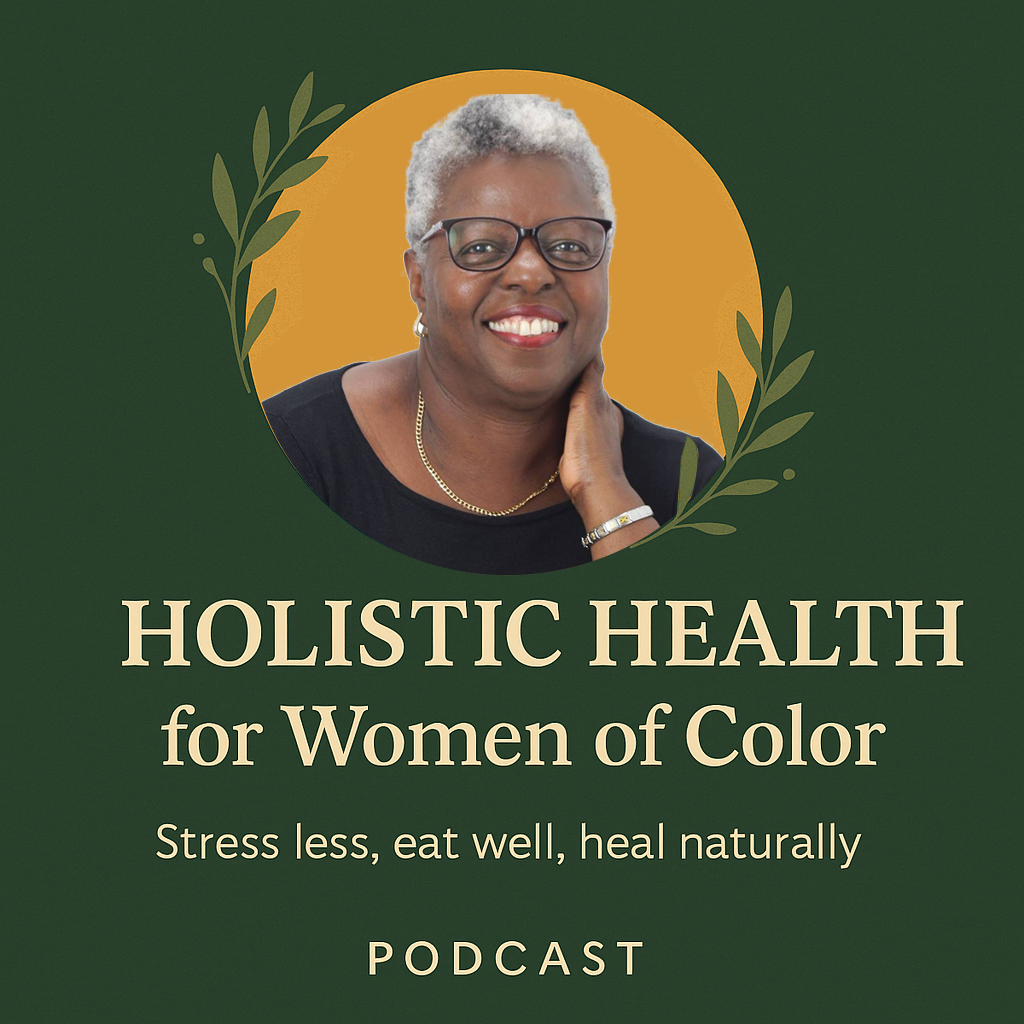
I’m Donna Williams, certified holistic health coach and founder of holisticbphealth.com, and I’m here to help you care for your health with more clarity, more compassion, and no shame.
And today we’re talking about something that I think can completely shift the way we think about food and self-care. Today’s question is: Are you feeding yourself or are you nourishing yourself? It’s a holistic health conversation for women of color. Because those two things are not always the same.
A Holistic Health Conversation for Women of Color on Why Healthy Eating Still Feels Empty Sometimes
A lot of us have learned to focus on food through the lens of rules, numbers, and what we should or should not eat. We’ve been taught to think about calories, carbs, protein, sugar, sodium, and labels. And while those things can matter, they are not the full story.
Food is not just nutrients. Food is also comfort. It’s memory. It’s identity. It’s culture. It’s routine. It’s stress. It’s survival. And sometimes, it’s one of the few ways we try to care for ourselves in the middle of a very full life.
So in a holistic health conversation for women of color podcast episode, we’re going to talk about the difference between nutrition and nourishment, why that difference matters, especially for women of color, and how to start eating in a way that supports your health without disconnecting you from yourself or your roots.
So let’s start here.
Are You Feeding Yourself, or Nourishing Yourself
Podcast Transcript, Episode #118 - The Difference Between Nutrition and Nourishment
Nutrition and nourishment are connected, but they are not identical.
Nutrition is the measurable part of food. It’s the science. It’s the protein, fiber, fats, vitamins, minerals, and other nutrients your body needs to function. Nutrition is what helps regulate blood pressure, support hormones, build muscle, protect the heart, fuel the brain, and keep the body going.
And let me say this clearly: nutrition matters.
Why Nourishment Matters for Women of Color
- It matters if you want more steady energy.
- It matters if you are trying to support your heart health.
- It matters if you are managing blood pressure, blood sugar, inflammation, or fatigue.
- It matters if you want to age well and feel well in your body.
Nutrition is foundational. But here’s the part we don’t talk about enough. You can eat foods that look healthy on paper and still feel deeply undernourished.
You can drink the smoothie. Eat the salad. Hit the protein goal. Take the supplements. And still end the day feeling depleted.
Why?
ea

Because nourishment is different. Nourishment is about how food cares for the whole person, not just the physical body. Nourishment includes the emotional experience of eating. The sensory experience. The cultural connection. The comfort. The satisfaction. The feeling of being grounded enough to receive the meal.
It’s the difference between grabbing something while answering emails and sitting down for even ten quiet minutes with food that actually settles you.
It’s the difference between eating something because you think you should and eating something that supports your health and also feels familiar, pleasurable, and sustaining.
It’s the difference between being full and feeling fed.
Food, Culture, Stress, and Whole-Person Wellness
And I think this holistic health conversation for women of color matters in a particular way for Black women. Because so many of us have been taught to keep going no matter what.
To push through exhaustion. To ignore our own needs. To care for everybody else first. To survive stress as if that is just normal. To be strong, even when what we really need is softness, support, and rest.
So, when it comes to food, many of us eat in the same way we live quickly, efficiently, while multitasking, while stressed, while disconnected from our bodies.

- We eat standing up.
- We eat in the car.
- We eat at our desks.
- We skip meals and then overcompensate later.
- We try to be “good.”
- We try to do what the wellness world says is right. And still, we do not feel restored.
That’s because food is being consumed, but care is not always being received. And that is such an important distinction.
- A body can take in calories and nutrients while the nervous system still feels overwhelmed.
- A meal can check every health box and still leave you emotionally unsatisfied.
- A perfectly balanced snack can fuel you physically but do nothing to help you feel grounded, connected, or at ease.
That doesn’t mean nutrition is not important. It means nutrition alone is not enough.
How to Eat in a Way That Supports Health and Honors Your Roots
Let’s make this practical. What does nourishment actually look like in daily life?
Sometimes it looks like the meal itself. And sometimes it looks like the way you experience the meal.
For example, a bowl of beans, rice, sautéed greens, and roasted sweet potatoes can be nutritionally balanced. It can have fiber, minerals, complex carbohydrates, plant compounds, and steady energy.
But nourishment is what happens when that meal also reminds you of home.
- When it’s seasoned in a way that feels familiar.
- When you sit down long enough to taste it.
- When your shoulders drop a little after the first few bites.
- When your body gets the message: I am being cared for right now.
That is nourishment.
And let’s be honest, sometimes a protein bar is what’s available. Sometimes convenience is necessary. Sometimes you are doing the best you can with the time, money, and energy you have.
There is no shame in that.
This holistic health conversation for women of color is not about perfection. It’s about awareness. It’s about asking: where can I create even a little more care in the way I feed myself?
Simple Ways to Add More Nourishment to Your Meals
Here are a few ways to begin bringing nutrition and nourishment together.
First, slow down when you can. I know that sounds simple, but it matters.
You do not need an hour-long meal ritual every day. But even one deep breath before eating can help. Even sitting down instead of standing at the kitchen counter can help. Even tasting your food instead of rushing through it can help.
When we slow down, we make it easier for the body to digest, easier for the mind to register satisfaction, and easier for ourselves to feel present.
Second, ask yourself what kind of hunger you’re feeling.
Sometimes you are physically hungry.
Sometimes you are mentally drained.
Sometimes you need comfort.
Sometimes you need water.
Sometimes you need a break.
Sometimes you need connection.
That question is powerful: What do I really need right now?
Not to judge yourself. Not to talk yourself out of eating. But to better understand what is going on inside you. Because nourishment includes honesty.
Third, make healthy food feel like care, not punishment. This is a big one.
For so many women, healthy eating has been framed as restriction, control, guilt, or discipline. But if every meal feels like a correction, a chore, or a reminder that you’re doing something wrong, it becomes much harder to build a peaceful relationship with food.
Try shifting the question from: What should I cut out? to; What would help me feel supported?
- Maybe that means adding greens to a dish you already love.
- Maybe it means cooking with more herbs and spices instead of relying on highly processed options.
- Maybe it means making breakfast more balanced so your energy feels steadier later in the day.
- Maybe it means choosing foods that love your heart back.
That is a gentler, more sustainable path.
Fourth, honor your culture instead of abandoning it. This one is so important.
Too often, healthy eating is presented in a way that feels disconnected from our traditions, our flavors, and our lived reality. We’re given advice that may be technically sound but culturally empty. And when that happens, wellness starts to feel like assimilation instead of care.
But your culture is not the problem. Your food traditions are not the problem. Flavor is not the problem.
In many cases, our traditional foodways hold deep wisdom: beans, greens, herbs, spices, grains, stews, root vegetables, fermented foods, broths, and plant-forward meals that nourished generations before wellness became an industry.
Now yes, sometimes there is room to adjust how often certain foods are eaten or how they are prepared, especially when supporting blood pressure or heart health.
But adjustment is not erasure.
- You do not have to abandon your culture to eat well.
- You do not have to strip the joy out of your food to support your health.
- You do not have to choose between your heritage and your healing.
- You can build meals that support your body and still taste like home.
That is powerful. That is sustainable. And for many of us, that is deeply healing.

Fifth, remember that nourishment goes beyond the plate. Food matters, yes. But nourishment is also rest.
It is hydration. It is movement. It is laughter. It is spiritual grounding. It is time in nature. It is boundaries. It is community. It is being able to exhale.
If your meals are nutritious but your life is constantly running on stress, your body may still feel depleted. So part of nourishment is asking:
- Where else am I starving?
- Am I starving for rest? For quiet? For help? For pleasure? For connection? For ease?
That question can open so much. Because sometimes the answer is not just food. Sometimes the answer is support.
And finally, create small rituals around food. Not because everything has to be fancy. Not because you need more work. But because ritual helps turn an ordinary act into a meaningful one.
- Maybe your ritual is lighting a candle before dinner.
- Maybe it’s saying a prayer.
- Maybe it’s putting your phone down for the first five minutes of the meal.
- Maybe it’s using your favorite plate.
- Maybe it’s playing music while you cook.
- Maybe it’s making one traditional dish each week that reconnects you to your family, your ancestry, or your joy.
These things may seem small, but they matter.
They tell your body: This is not just another task. This is care. This is a moment to receive. This is nourishment.
Heart-Healthy Eating Without Abandoning Your Culture
So if you take nothing else from today’s are you feeding yourself, or nourishing yourself? A holistic health conversation for women of color episode, take this:
- Nutrition is essential, but nourishment is what makes healthy eating feel whole.
- Nutrition gives the body what it needs to function.
- Nourishment gives the self what it needs to feel supported.
And when you bring those two together, food becomes more than fuel.
- It becomes a way of tending to your health without disconnecting from your humanity.
- It becomes a way of supporting your heart, your energy, your emotions, and your identity at the same time.
- It becomes a practice of self-respect.
And that matters.
Especially in a world that often asks women of color to give so much, carry so much, and keep going no matter how empty we feel.
- You deserve more than survival meals.
- You deserve more than rushed bites and wellness rules that leave no room for joy.
- You deserve food that supports your body and reminds you that you are worth caring for.
In Closing Our Holistic Health Conversation for Women of Color
So, the next time you eat, I want you to pause and ask yourself:
Am I just feeding myself right now? Or am I nourishing myself?
And remember, there is no shame in the answer. Only information. Only an invitation to care for yourself a little more deeply.
- Maybe nourishment starts with one slower meal.
- Maybe it starts with adding one colorful whole food to your plate.
- Maybe it starts with seasoning your food in a way that feels like home.
- Maybe it starts with sitting down.
- Maybe it starts with letting healthy eating become supportive instead of stressful.
Join My Free 5-Day Email Series: Eating Well for Less
And if you want help with that, I’d love to invite you to my free 5-day email series, Eating Well for Less.
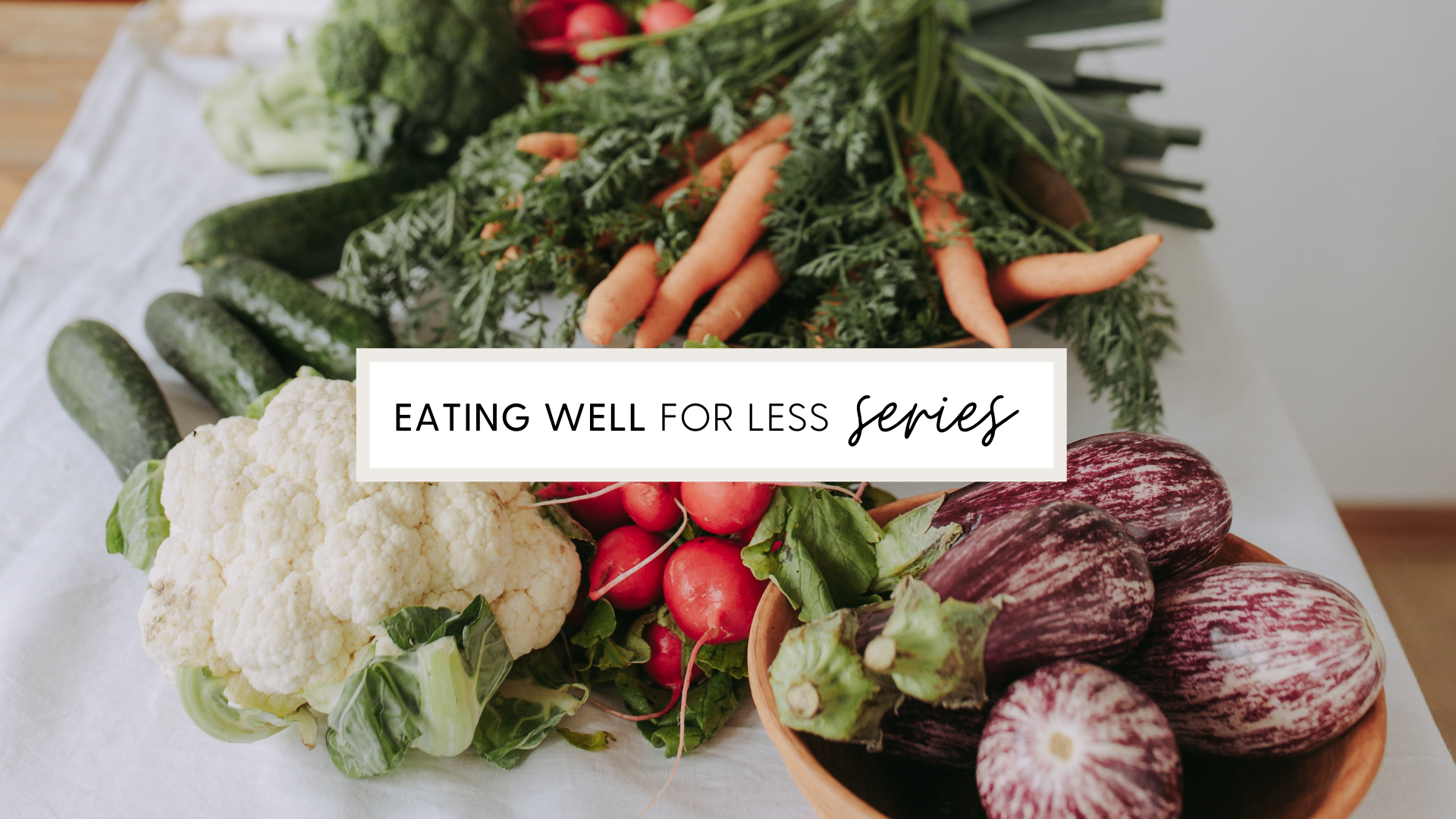
It includes budget-friendly strategies to eat heart-healthy, whole foods without spending a fortune and without abandoning your culture. Grab your seat now and get started immediately here.
Because eating well should be accessible. It should be practical. And it should still feel like you.
Thank you so much for spending this time with me today. If, "Are You Feeding Yourself, or Nourishing Yourself? A Holistic Health Conversation for Women of Color" episode #118, spoke to you, share it with a friend, a sister, or someone in your circle who may need this reminder too.
Until next time, take good care of yourself, and remember: your health journey does not have to disconnect you from your roots. It can bring you home to yourself.

Newsletter Opt-In And Thank You Gift
Latest Podcast Episode
Listen to the most recent episode of my Holistic Health for Women of Color Podcast
Recent Articles


-
Transform Stress into Serenity at The Stress Solution Workshop!
Oct 01, 26 10:05 PM
 Transform stress into serenity, embracing tranquility in your daily life. Rediscover balance and peace at our empowering, life-changing workshop.
 -
Heart Healthy Grocery Shopping List
Sep 28, 26 08:50 PM
 Download our free heart healthy grocery shopping list. Stop dieting and adopt new and healthier eating habits. Planning before you shop will help get you on your way.
 -
About Me Overcoming High Blood Pressure
Sep 28, 26 07:58 PM
 About me overcoming high blood pressure. Helping women of color over 40 reduce high blood pressure with culturally healthy, budget-friendly nutrition beyond medication.